CES 2026 Overview: The Rise of Humanoid Robots
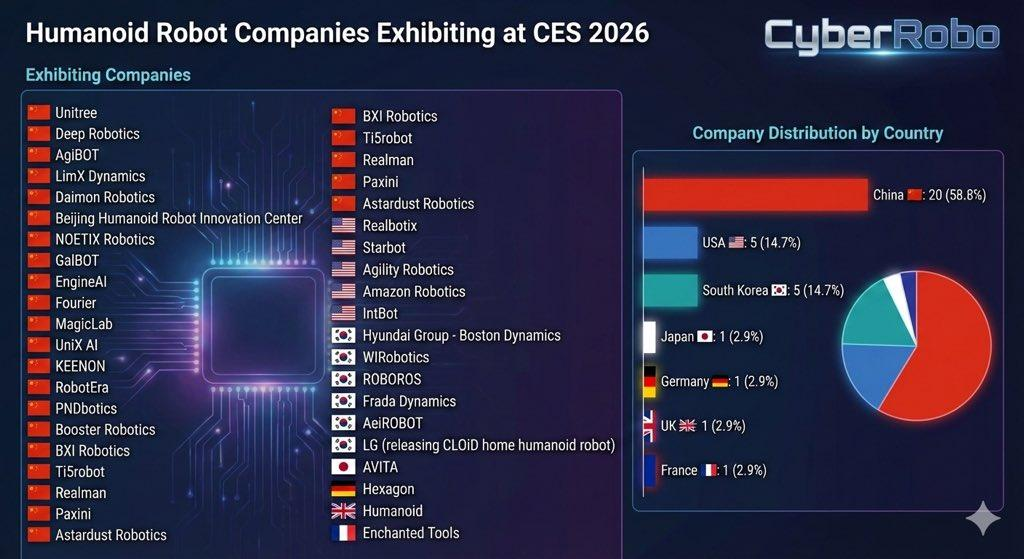
CES 2026 officially reported that 598 exhibitors were related to robotics, with 149 from China, accounting for nearly a quarter. In the highly focused humanoid robot of 2026 segment, 38 exhibitors were present, among which 21 were Chinese, making up more than half. This marks a significant presence for Chinese companies in the global humanoid robotics landscape.
China: From Product Showcase to System-Level Solutions
Unlike previous years, Chinese companies at CES 2026 presented a complete humanoid robot ecosystem, spanning from full-body motion control and dexterous hands to perception systems and integrated platforms. Leading examples include:
- U-ST Robotics showcased the mass-production version of the G1 humanoid robot and the next-generation full-sized H2 robot with improved motion and dynamic performance.
- Yunshen Robotics emphasized engineering-oriented designs, displaying the upgraded X30 of the Jueying series and the M20 Pro wheeled robot, highlighting balance in complex industrial terrains.
- Zhiyuan Robotics premiered its entire humanoid lineup in North America, including Lingxi X2 (bionic interaction), Yuanzheng A2 (commercial service), and Jingling G2 (home and research applications).
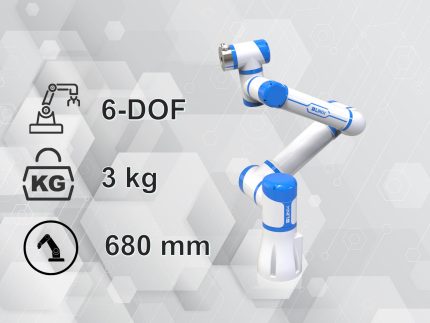
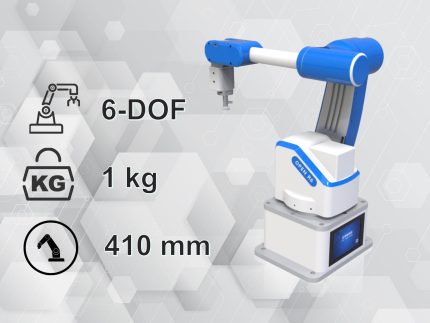
- Yuejiang Robotics released Rover X1, its first consumer-grade quadruped robot, alongside humanoid robots and collaborative arms for embodied intelligence applications.
- Zhongqing Robotics introduced T800, a full-sized general-purpose humanoid robot emphasizing adult-like proportions and dynamic stability.
In total, Chinese exhibitors covered all aspects from machine body, dexterous manipulation, perception, to control platforms, indicating significant maturity in production readiness.
Global Players: Platform, Scenario, and Industrial Focus
Outside China, international exhibitors emphasized different strategic focuses:
- United States: Highlighted industrial deployment and AI platforms. Boston Dynamics and Hyundai showcased the Atlas humanoid robot, performing real-time movements and planning for industrial trials by 2028, with a projected annual output of 30,000 units. U.S. companies also stressed integration with AI models and sustainable upgradeable systems.
- Korea: CES 2026 featured the K-Humanoid Alliance, including LG, Doosan, HD Hyundai, KAIST, and Seoul National University. Korean robots focused on full-system integration, including control systems, hardware, and application ecosystems. LG presented CLOiD, a home-assistant humanoid robot for household tasks and object delivery.
- Europe: German, British, and Swedish companies like NEURA Robotics, Humanoid (UK), and Hexagon focused on industrial applications. European exhibitors prioritized safety, modularity, and collaborative functionality over consumer-grade products.
Humanoid Robot of 2026: Key Takeaways
CES 2026 demonstrated that humanoid robots are no longer a “feasibility question.” Key insights include:
- China leads in production readiness – Chinese companies are showcasing full systems and market-ready models.
- Global differentiation by strategy – The U.S. focuses on AI platforms, Korea emphasizes industrial alliances, and Europe targets industrial-grade applications.
- Market moving from demonstration to deployment – Real competition will occur in factories, homes, and service scenarios.
Humanoid robots of 2026 have moved beyond experiments—they are now poised to enter real-world applications, shaping the next era of robotics innovation.

Seeing the Humanoid robot of 2026, the trend for humanoid robots is already very clear. Educational humanoid robots are also expected to grow rapidly, bringing new opportunities for learning, experimentation, and AI integration.
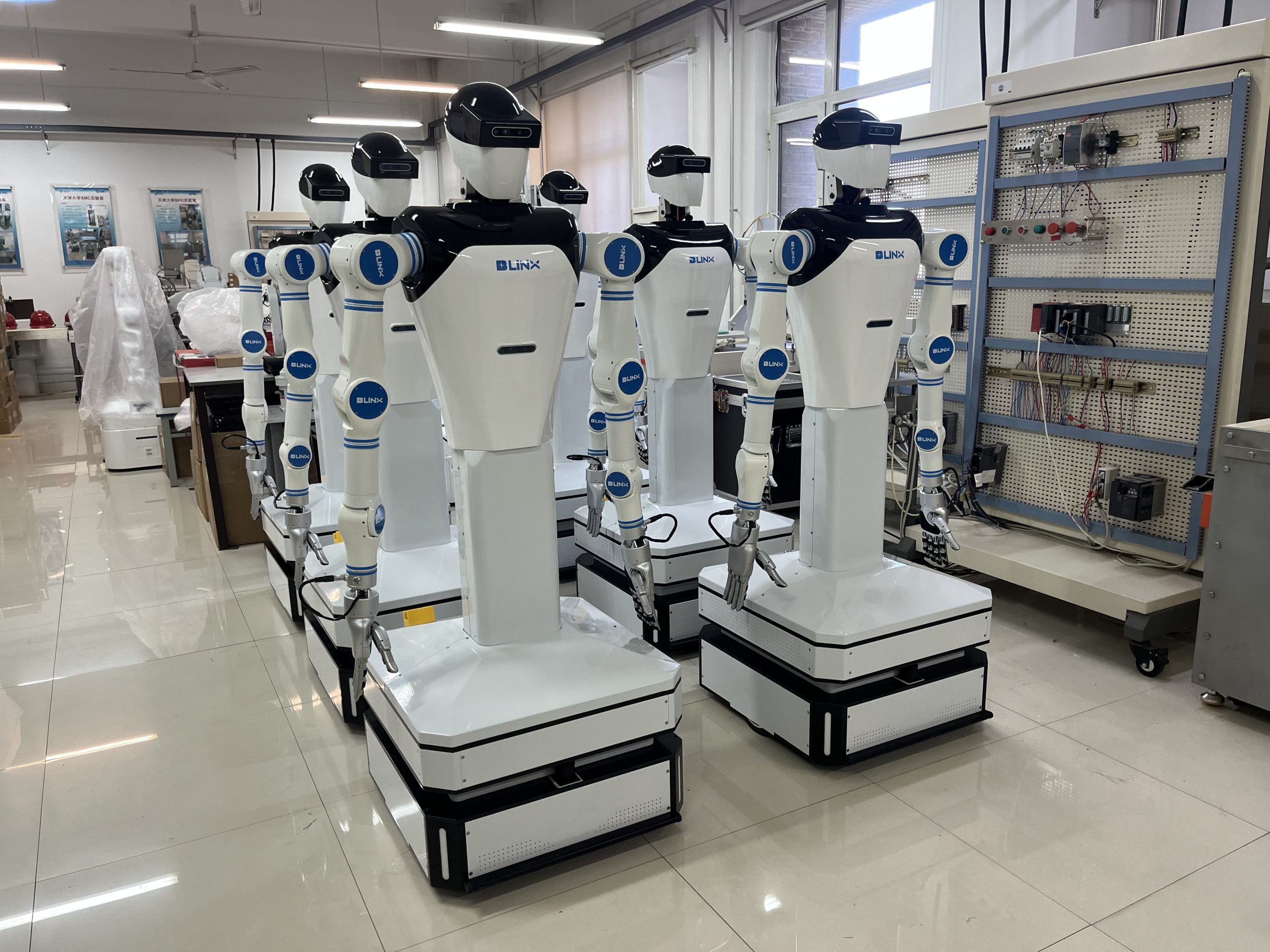
Among these innovations, our mobile humanoid robot stands out with several key advantages:
- Human-like design: Its appearance and movement are modeled on human form, making it intuitive for educational and interactive scenarios.
- Open-source platform: Fully open-source, allowing students and developers to explore, modify, and expand functionality.
- Integrated large model support: Equipped to run AI models locally, enabling advanced perception, decision-making, and interactive capabilities.
These features make our mobile humanoid robot not only a learning tool but also a versatile platform for AI education and research, perfectly aligned with the evolving trends of humanoid robots in 2026.