AI robot kit solutions are becoming a core part of modern AI and robotics education. As universities and technical institutes move from theory-heavy teaching to practice-oriented learning, educators are looking for an AI robot kit that integrates real hardware, real software environments, and real AI workflows.
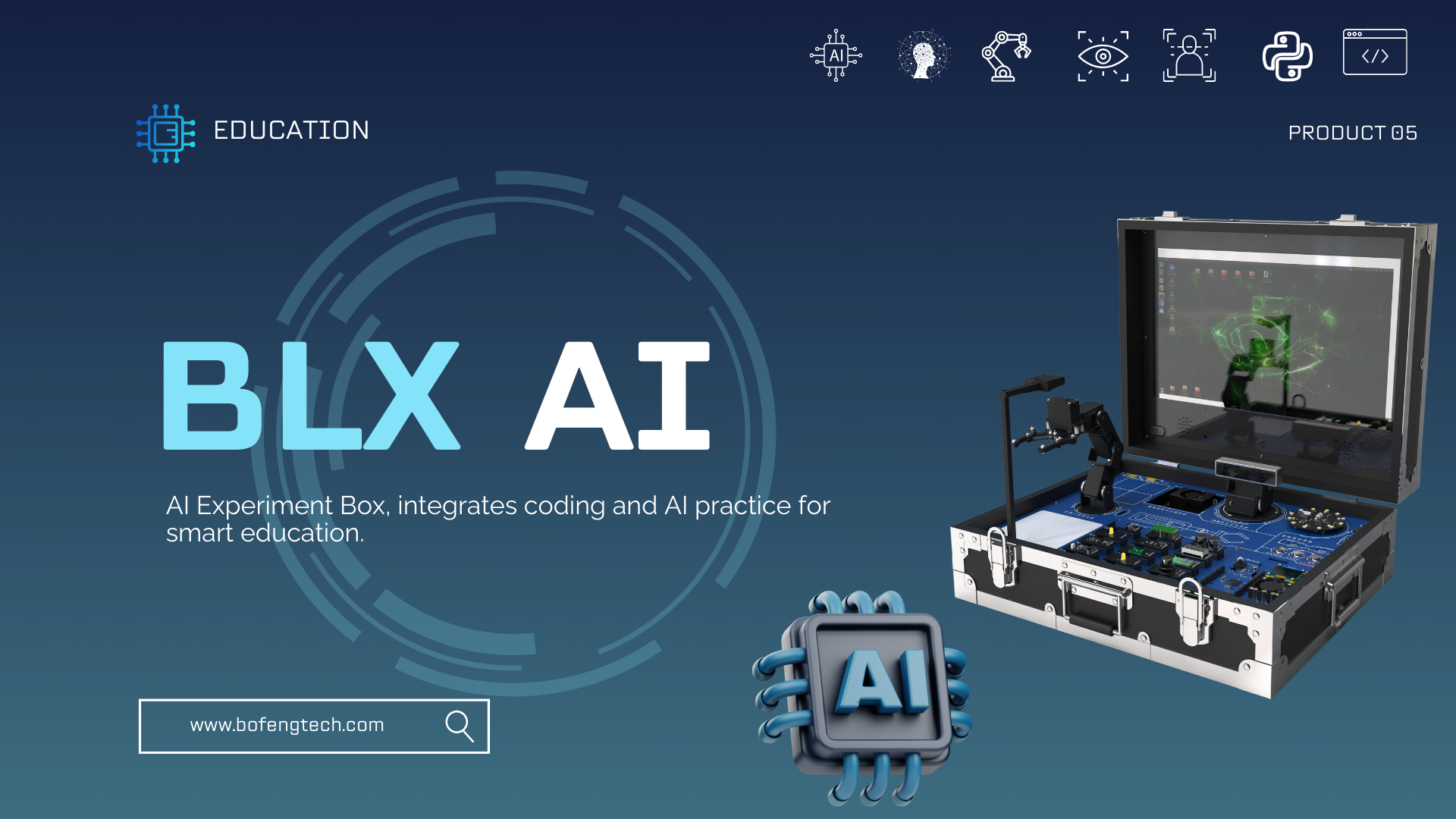
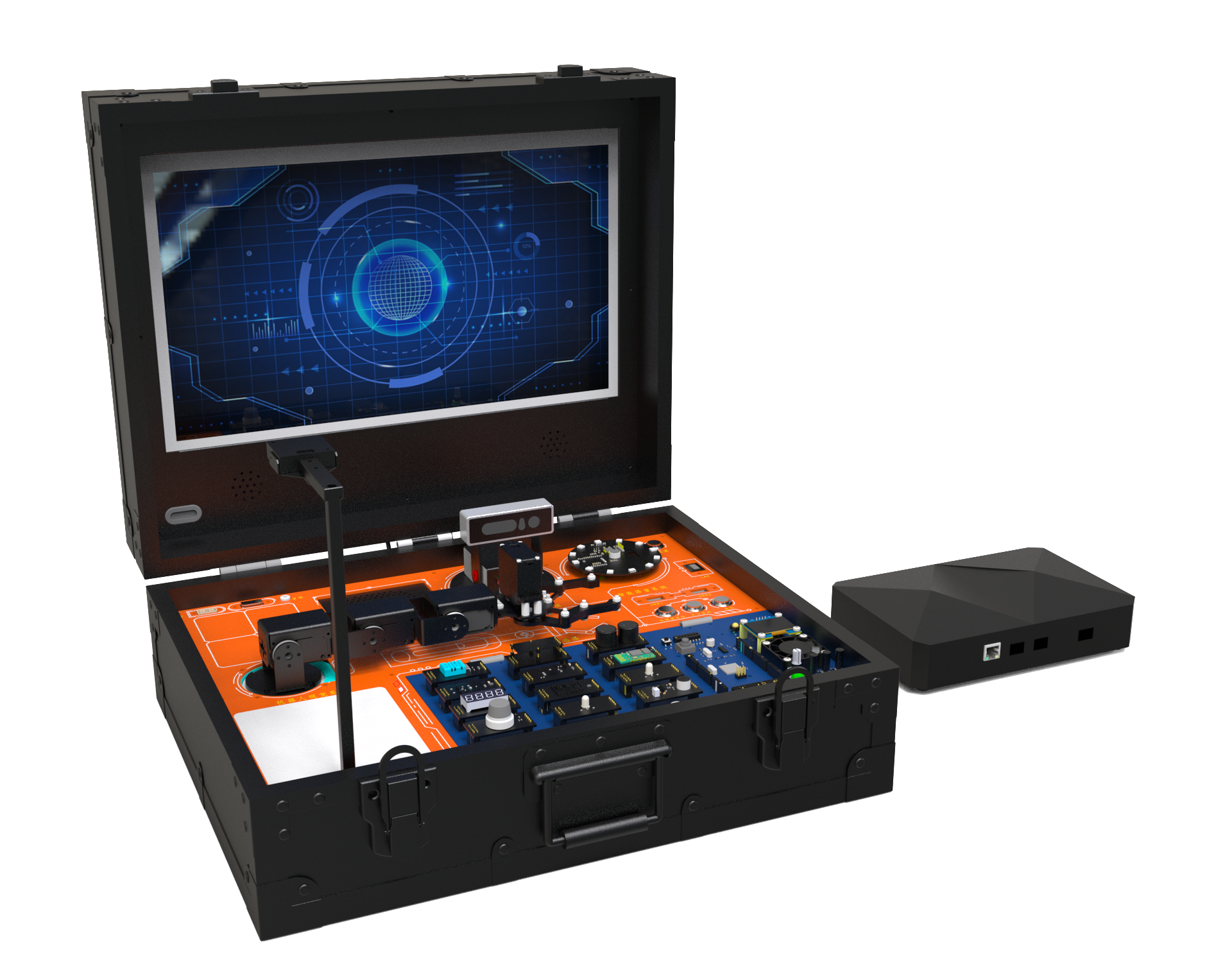
An AI experiment box, designed as a complete AI robot kit, provides exactly this bridge. By combining edge AI computing, robotics, vision, speech, and embedded systems into one integrated platform, it allows students to learn artificial intelligence the way it is actually used in industry.
This article explains how an AI robot kit based on an AI experiment box benefits teaching from both hardware and software perspectives, and why it is an ideal solution for AI, robotics, and intelligent manufacturing education.
What Is an AI Robot Kit Based on an AI Experiment Box?
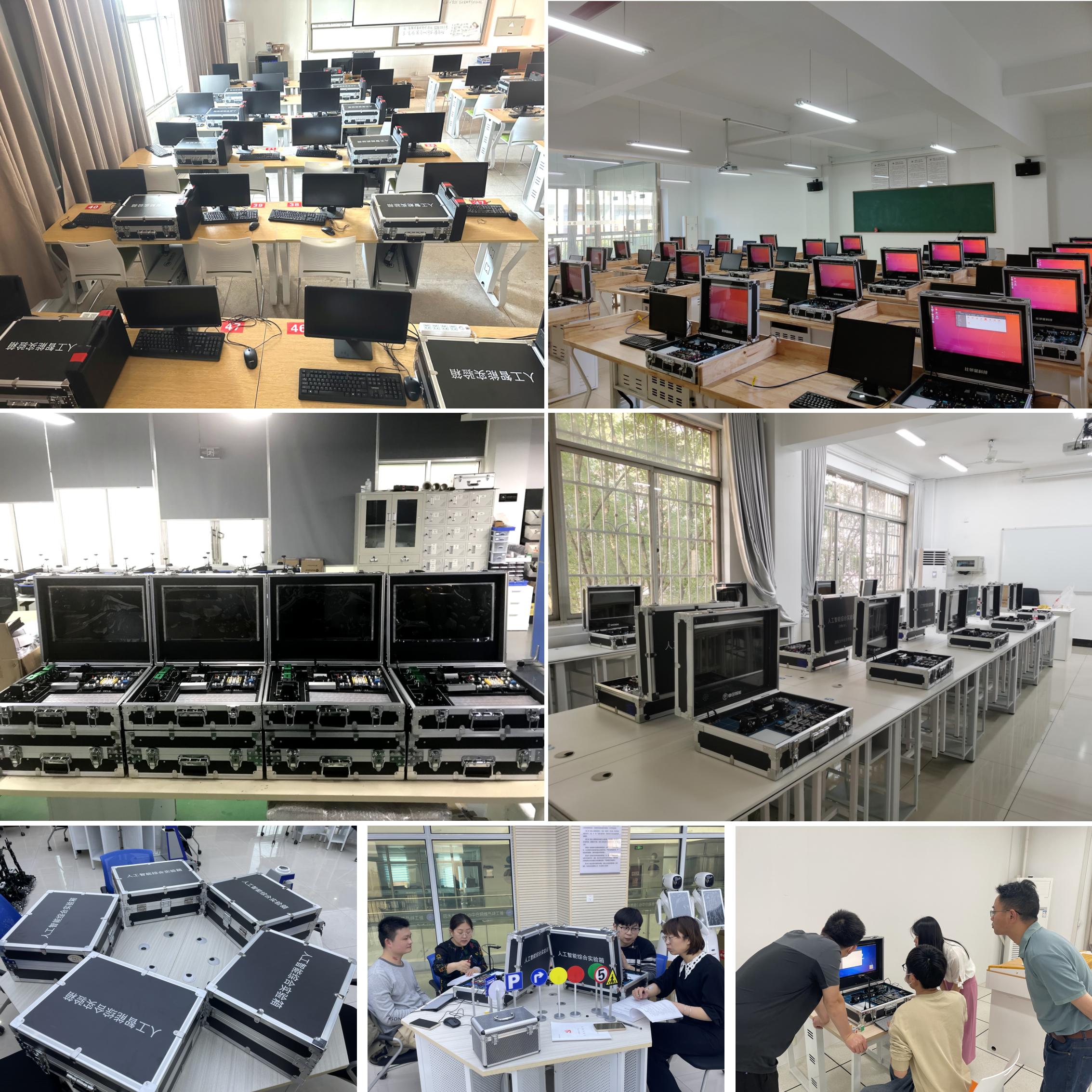
An AI robot kit built around an AI experiment box is not a simple robotics toy or a single-function training device. It is a full-stack AI education platform that integrates:
- Edge AI computing hardware
- Robotics and motion control
- Computer vision and depth perception
- Speech recognition and human–machine interaction
- Embedded sensors and real-time control
Unlike traditional teaching tools, this AI robot kit is designed for system-level learning, allowing students to understand how AI software interacts with physical hardware in real-world scenarios.
Hardware Architecture
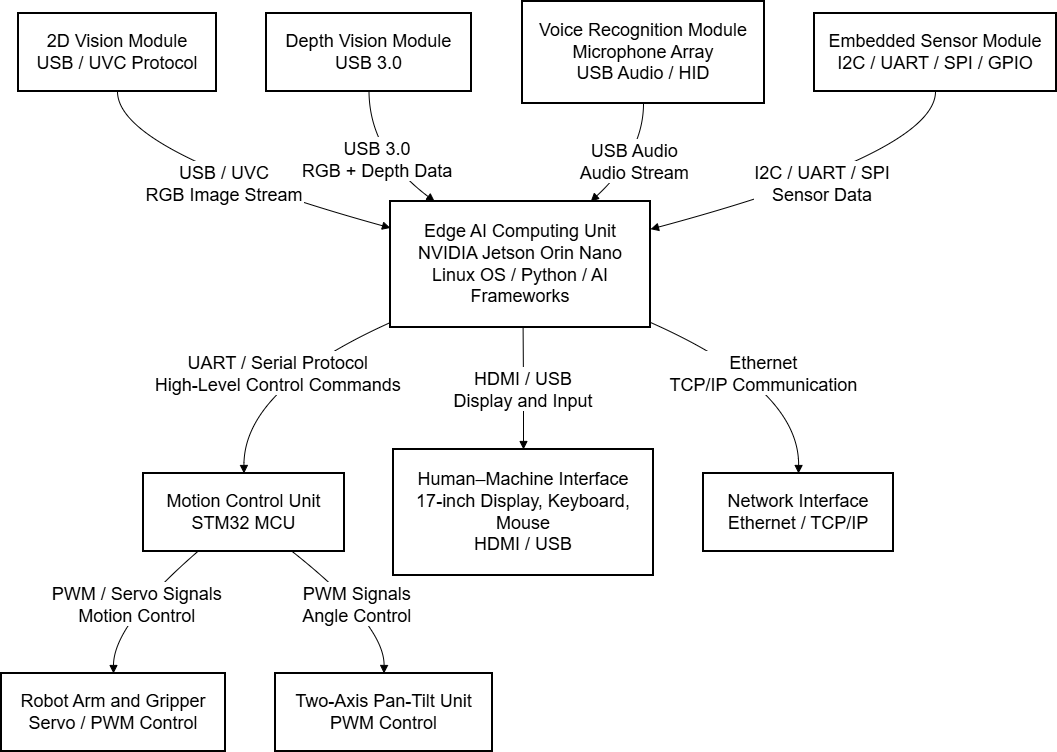
Edge AI Computing Core in the AI Robot Kit
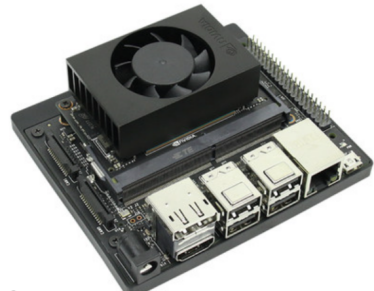
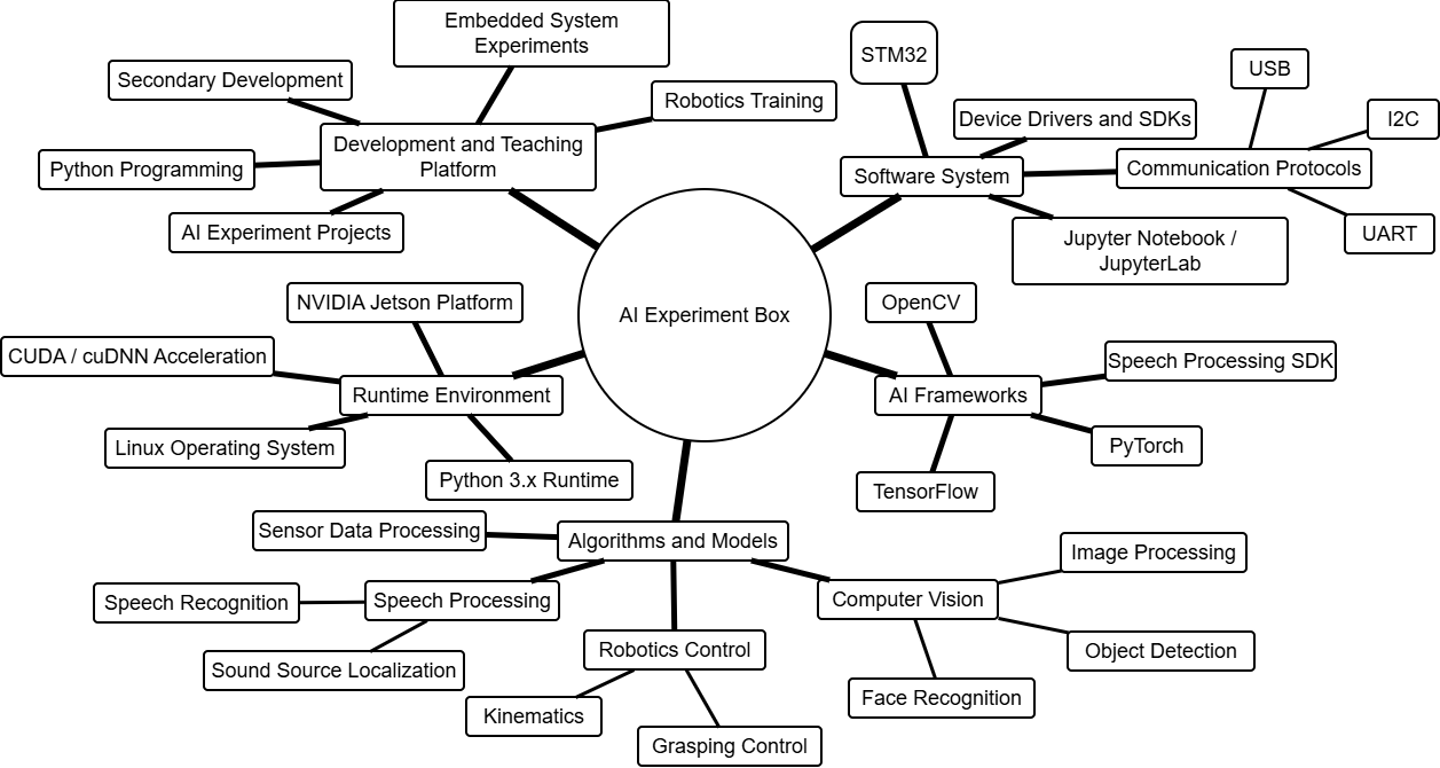
At the center of the AI robot kit is an edge AI computing unit based on the NVIDIA Jetson platform. This processor provides sufficient AI computing power for:
- Machine learning model training and inference
- Deep learning applications
- Real-time vision and speech processing
By using an edge AI processor, the AI robot kit allows students to deploy AI models locally without relying on cloud services, which is critical for teaching industrial AI deployment concepts.
Vision Systems Inside the AI Robot Kit
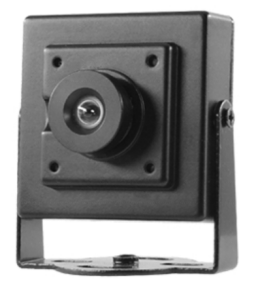
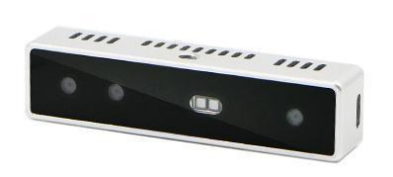
A modern AI robot kit must support visual perception. The AI experiment box integrates:
- A 2D vision camera for image acquisition and basic computer vision
- A depth vision camera for distance measurement and 3D perception
With these vision modules, students can conduct experiments such as:
- Object detection and classification
- Face recognition and tracking
- Distance measurement and obstacle detection
These features turn the AI robot kit into a practical computer vision training platform.
Robotics and Motion Control Hardware
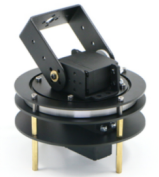
The AI robot kit includes a robotic arm and a two-axis pan-tilt unit, both controlled by an STM32 microcontroller. This architecture reflects real industrial systems where:
- The AI processor handles decision-making
- The MCU manages real-time motion control
Through this design, students learn how AI algorithms generate high-level commands while embedded controllers execute precise movements. This separation of responsibilities is a key teaching advantage of a professional AI kit.
Embedded Sensors in the AI Robot Kit
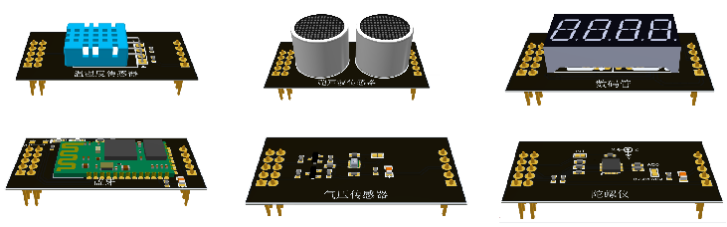
An effective AI kit must support multimodal data. The AI experiment box integrates multiple embedded sensors, including:
- Temperature and humidity sensors
- Light sensors
- Motion and proximity sensors
- Pressure and environmental sensors
These sensors allow students to build AI applications that combine vision, speech, and environmental data, reinforcing the concept of sensor fusion.
Software System
Linux and Python Environment
The software foundation of the AI kit is a Linux operating system with a Python runtime environment. This setup is widely used in both academia and industry, making it ideal for teaching.
Students can learn:
- Python programming for AI
- Linux-based system operation
- AI application deployment on edge devices
This real-world software environment ensures that skills learned with the AI robot kit are directly transferable to industry projects.
Jupyter Notebook as the Teaching Platform
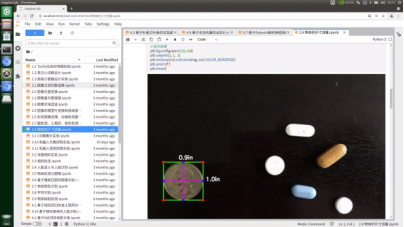
A key advantage of this AI kit is the use of Jupyter Notebook or JupyterLab as the main development platform. This allows:
- Interactive coding and immediate feedback
- Step-by-step explanation of AI algorithms
- Easy sharing of teaching materials
For educators, the AI kit becomes a complete teaching platform where theory, code, and results are combined in one interface.
AI Frameworks Supported by the AI Robot Kit
The AI experiment box supports mainstream AI frameworks, including:
- PyTorch for deep learning
- TensorFlow for machine learning
- OpenCV for computer vision
- Speech processing SDKs for voice interaction
By using these frameworks, the AI kit enables students to work with industry-standard tools rather than simplified educational libraries.
Algorithm Development and System Integration
The AI robot kit supports a wide range of algorithms, such as:
- Image processing and object detection
- Face recognition and visual tracking
- Speech recognition and voice command control
- Robotics kinematics and grasping algorithms
More importantly, students learn how to integrate these algorithms into a complete AI system, not just isolated code examples.
Teaching Benefits
From Theory to Practice
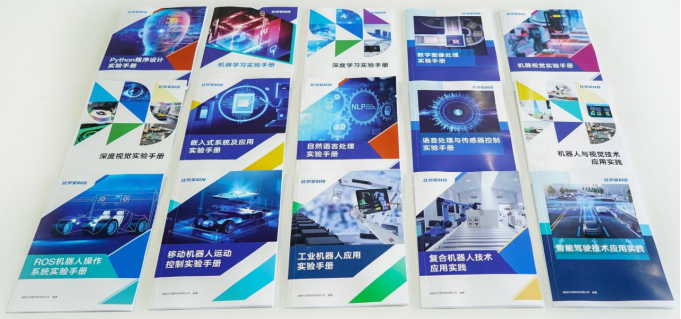
One of the biggest advantages of an AI kit is its ability to connect abstract AI theory with real physical outcomes. Students can see how algorithms affect robot behavior in real time, which greatly improves learning effectiveness.
Multidisciplinary Learning with One Kit
An AI experiment box brings together multiple disciplines:
- Artificial intelligence
- Robotics engineering
- Embedded systems
- Computer vision
- Human–machine interaction
This makes the AI robot kit ideal for interdisciplinary teaching programs and project-based learning.
Industry-Oriented Skill Development
Because the AI robot kit uses real hardware platforms, real operating systems, and real AI frameworks, students gain skills that align closely with industry requirements. This significantly improves graduate employability and practical competence.
Support for Secondary Development and Research
The AI robot kit provides open interfaces, open-source examples, and extensible software architecture. This allows advanced students and researchers to:
- Customize algorithms
- Add new sensors or modules
- Develop enterprise-level AI applications
As a result, the AI experiment box is not only a teaching tool but also a research and innovation platform.
Why an AI Experiment Box Is the Ideal AI Robot Kit for Education
Compared with traditional teaching equipment, an AI robot kit based on an AI experiment box offers:
- Complete hardware and software integration
- Real AI computing capability at the edge
- Strong support for hands-on, project-based teaching
- High scalability for future courses and research
For institutions building AI, robotics, or intelligent manufacturing laboratories, choosing a professional AI robot kit is a long-term investment in teaching quality.
Conclusion: Building the Future of AI Education
An AI robot kit is no longer optional in modern AI education—it is essential. By combining powerful hardware, flexible software, and real-world AI workflows, an AI experiment box provides a comprehensive solution for teaching artificial intelligence and robotics.
For educators seeking a practical, scalable, and industry-aligned platform, an AI robot kit based on an AI experiment box is the foundation for the next generation of AI talent.