
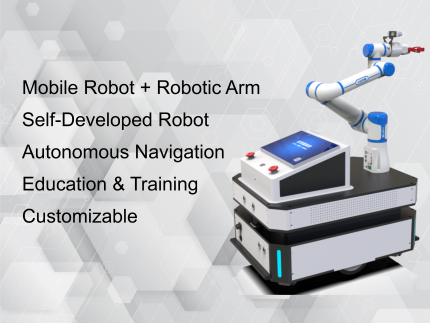
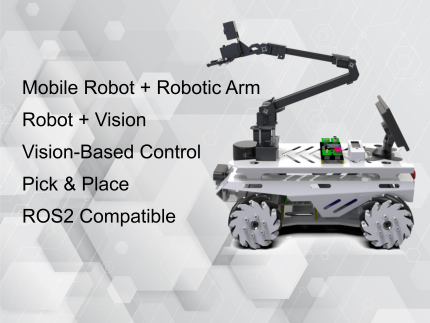
Introduction: Why Smart Manufacturing Education Matters
Smart Manufacturing Education is becoming a core pillar of modern engineering and technology education. As industries worldwide accelerate toward automation, artificial intelligence, and intelligent production systems, universities and vocational institutions are under increasing pressure to prepare students with practical, industry-ready skills rather than purely theoretical knowledge.
Traditional manufacturing education can no longer meet the demands of Industry 4.0. Today’s students must understand not only machines, but also AI algorithms, robotics systems, machine vision, data-driven decision-making, and integrated automation workflows. This shift has made Smart Manufacturing Education essential for cultivating future engineers, technicians, and applied AI professionals.
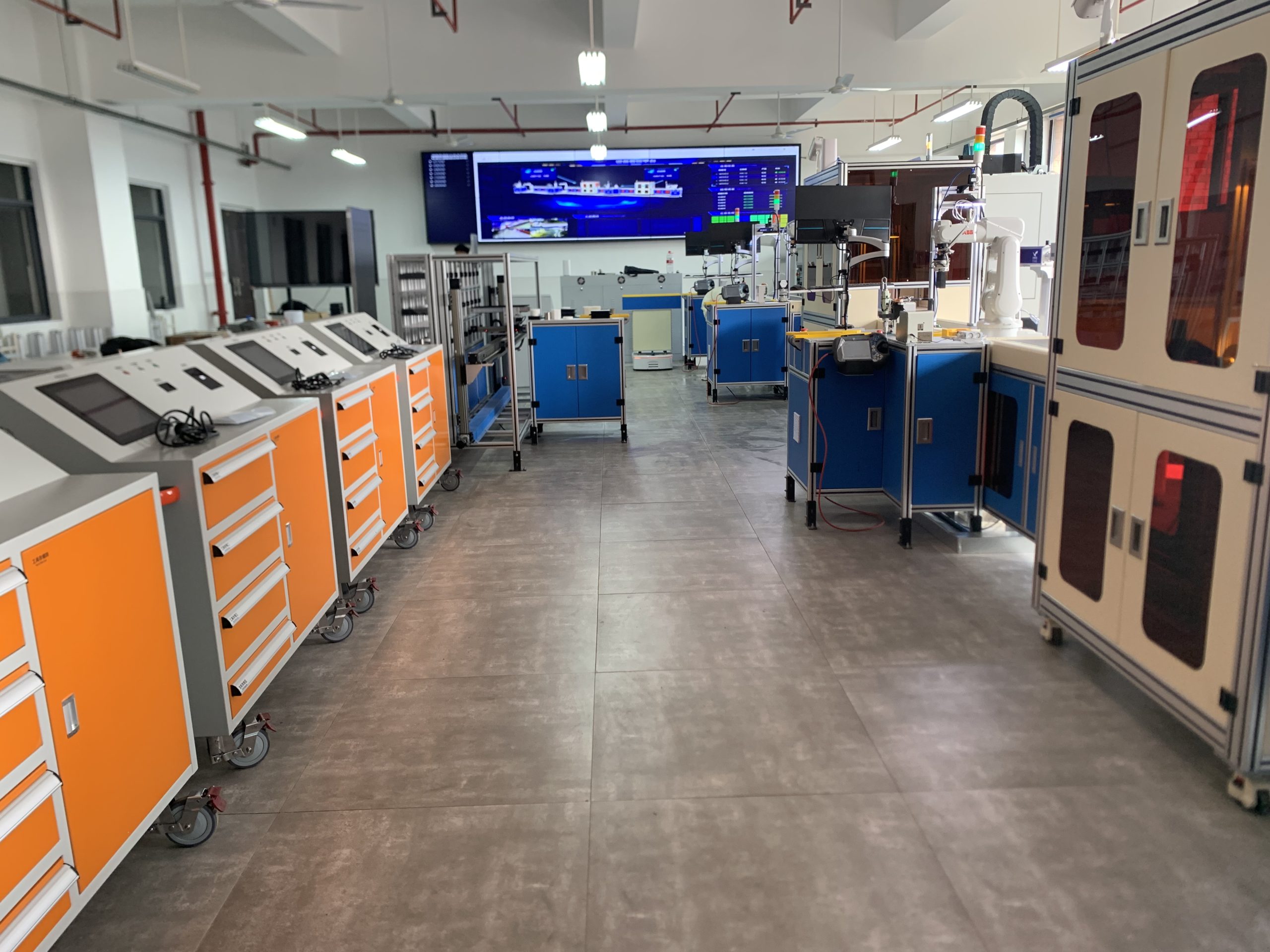
What Is Smart Manufacturing Education?
Smart Manufacturing Education refers to a teaching approach that integrates advanced manufacturing technologies with modern digital tools. It combines:
- Artificial intelligence and machine learning
- Industrial and collaborative robotics
- Machine vision and intelligent inspection
- Automation and control systems
- Digital manufacturing and smart production lines
Unlike traditional labs that focus on isolated experiments, Smart Manufacturing Education emphasizes system-level understanding, real-world industrial scenarios, and hands-on problem solving.
Students are trained to think like engineers working in smart factories—designing, programming, debugging, and optimizing intelligent manufacturing systems.
The Role of AI and Robotics in Smart Manufacturing Education
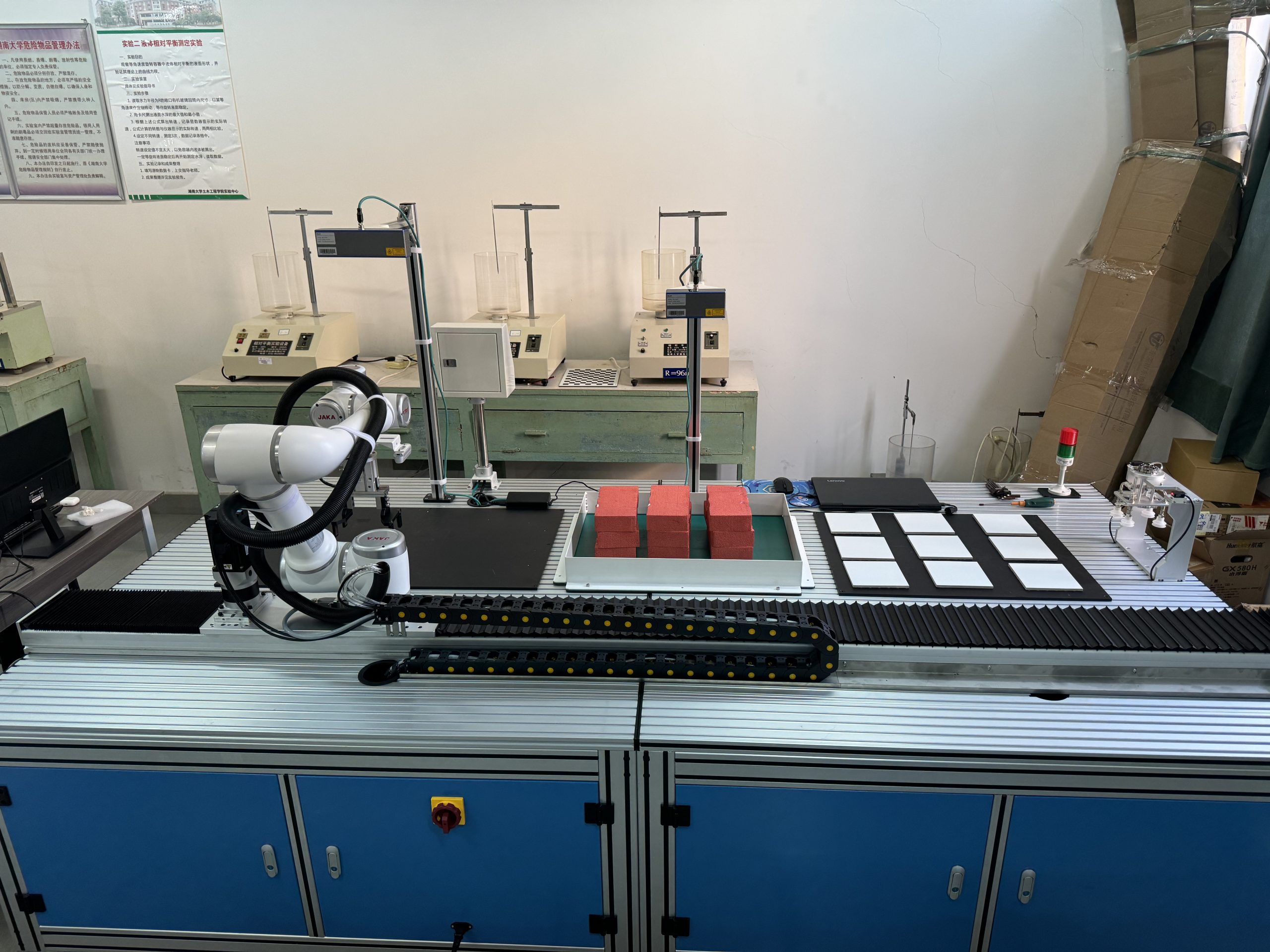
AI and robotics are at the core of Smart Manufacturing Education. In modern teaching environments, students must learn how intelligent systems perceive, decide, and act.
Key learning areas include:
- AI-driven quality inspection using machine vision
- Robotic motion control and path planning
- Human–robot collaboration in production scenarios
- Data collection and analysis from sensors and production lines
- Edge computing and local AI deployment for industrial applications
By combining AI experiment platforms with robotic systems, Smart Manufacturing Education enables students to bridge the gap between algorithms and physical systems.
Why Universities Are Investing in Smart Manufacturing Laboratories
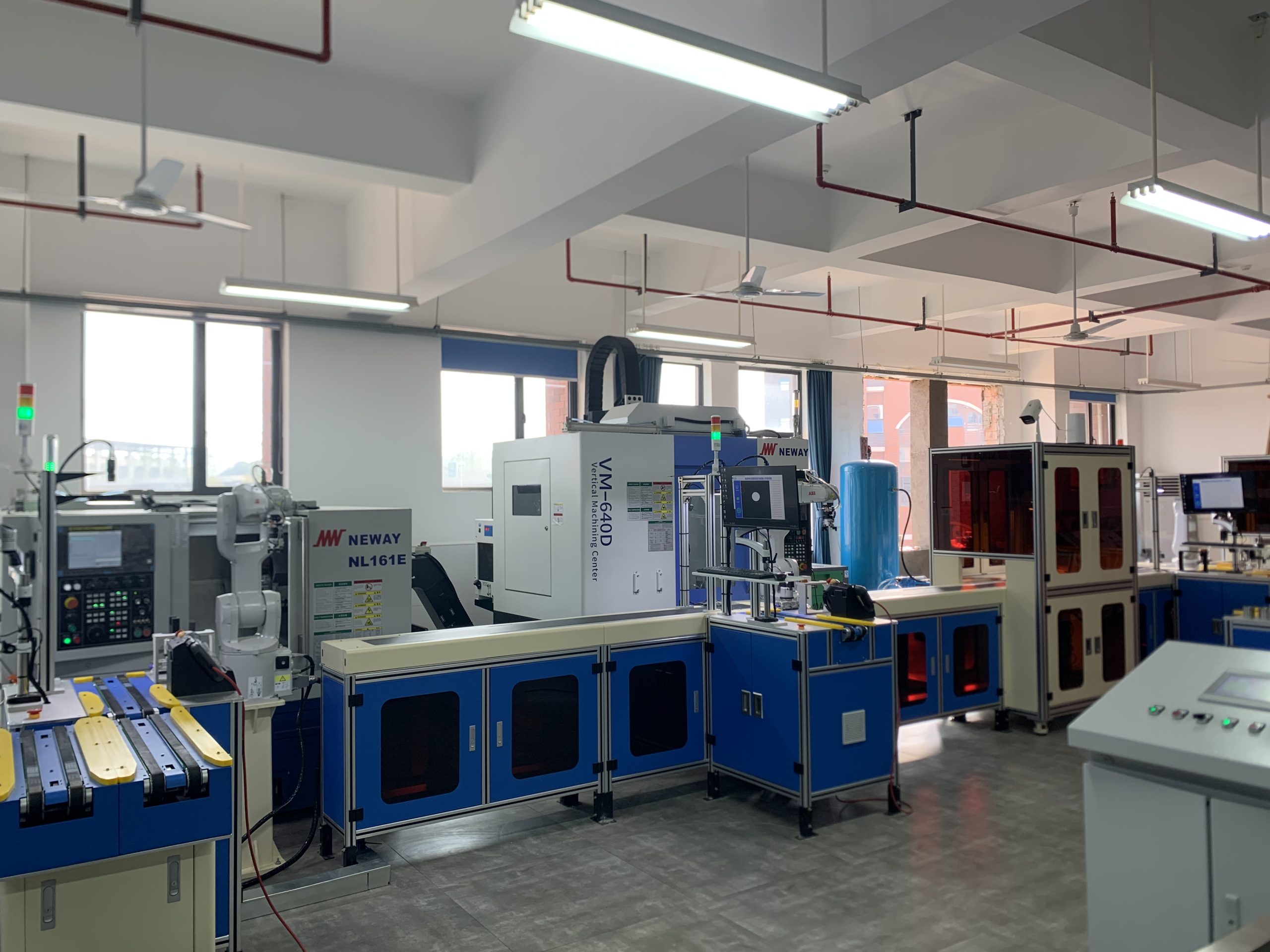
Universities and technical colleges worldwide are actively upgrading their laboratories to support it. The reasons are clear:
- Industry demand for applied talent
Employers increasingly seek graduates with hands-on experience in robotics, automation, and AI-driven manufacturing. - Curriculum reform toward practical learning
Engineering and AI programs now emphasize project-based learning, interdisciplinary training, and real industrial workflows. - Alignment with Industry 4.0 and digital transformation
Smart Manufacturing Education allows institutions to stay aligned with global manufacturing trends. - Improved student employability
Graduates with experience in smart manufacturing systems adapt faster to real-world industrial environments.
Key Components of a Smart Manufacturing Education Lab
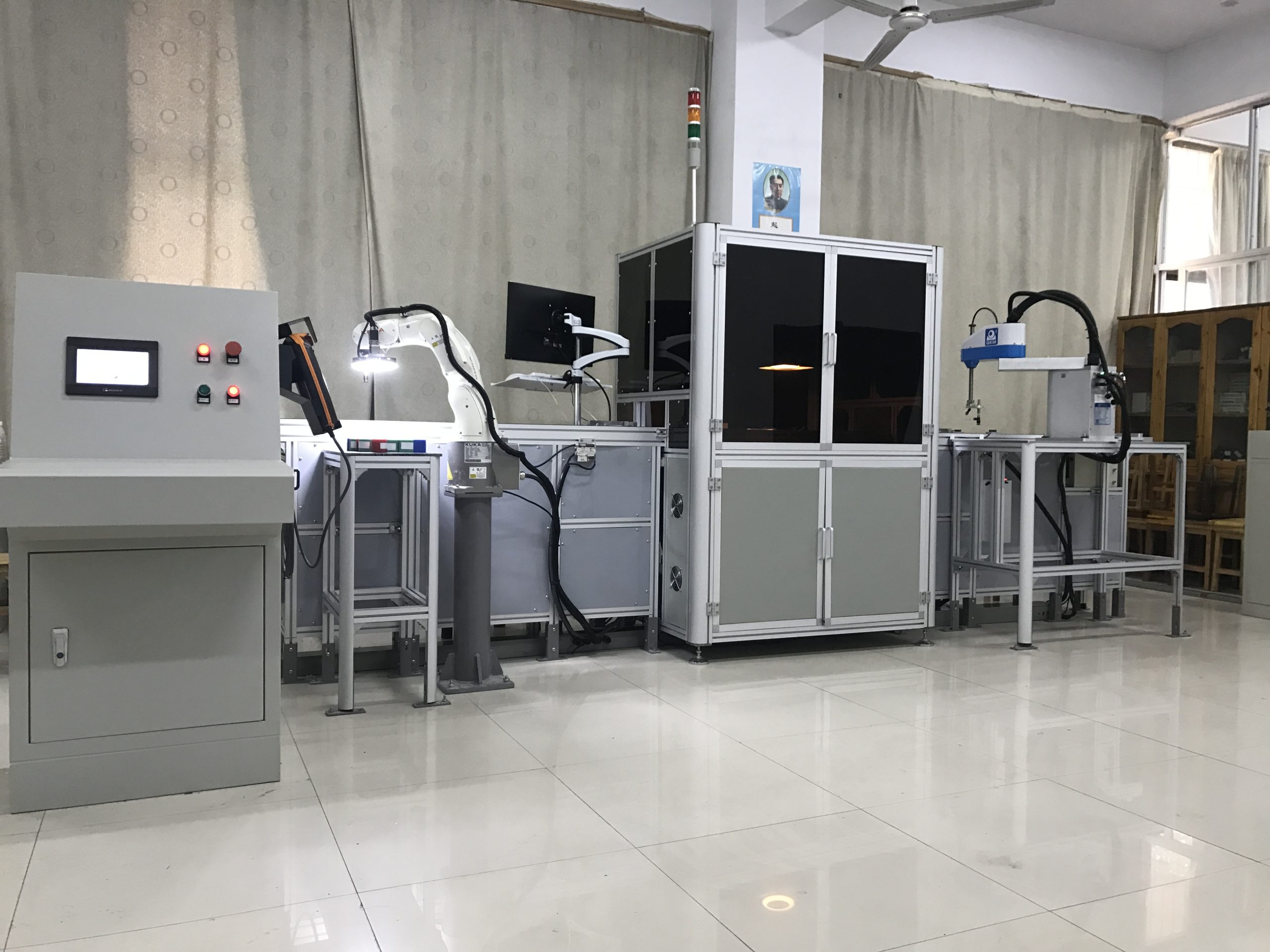
A well-designed Smart Manufacturing Education laboratory typically includes the following components:
1. AI Experiment Platforms
Used for teaching Python programming, machine learning, deep learning, and industrial AI applications. These platforms support local deployment, model training, and algorithm validation.
2. Industrial or Educational Robotic Arms
Six-axis robots or collaborative robots are widely used to teach robot kinematics, motion control, vision-guided manipulation, and automation tasks.
3. Machine Vision Systems
Industrial cameras, lighting, and vision software enable intelligent inspection, defect detection, and visual positioning.
4. Automation and Conveying Systems
Conveyors, sensors, and actuators help simulate real production lines, allowing students to understand system integration and workflow design.
5. Open Software and Development Interfaces
Open-source or open-architecture systems allow secondary development using Python, ROS, or other industrial frameworks—an essential feature for Smart Manufacturing Education.
From Theory to Practice: Teaching Scenarios in Smart Manufacturing Education
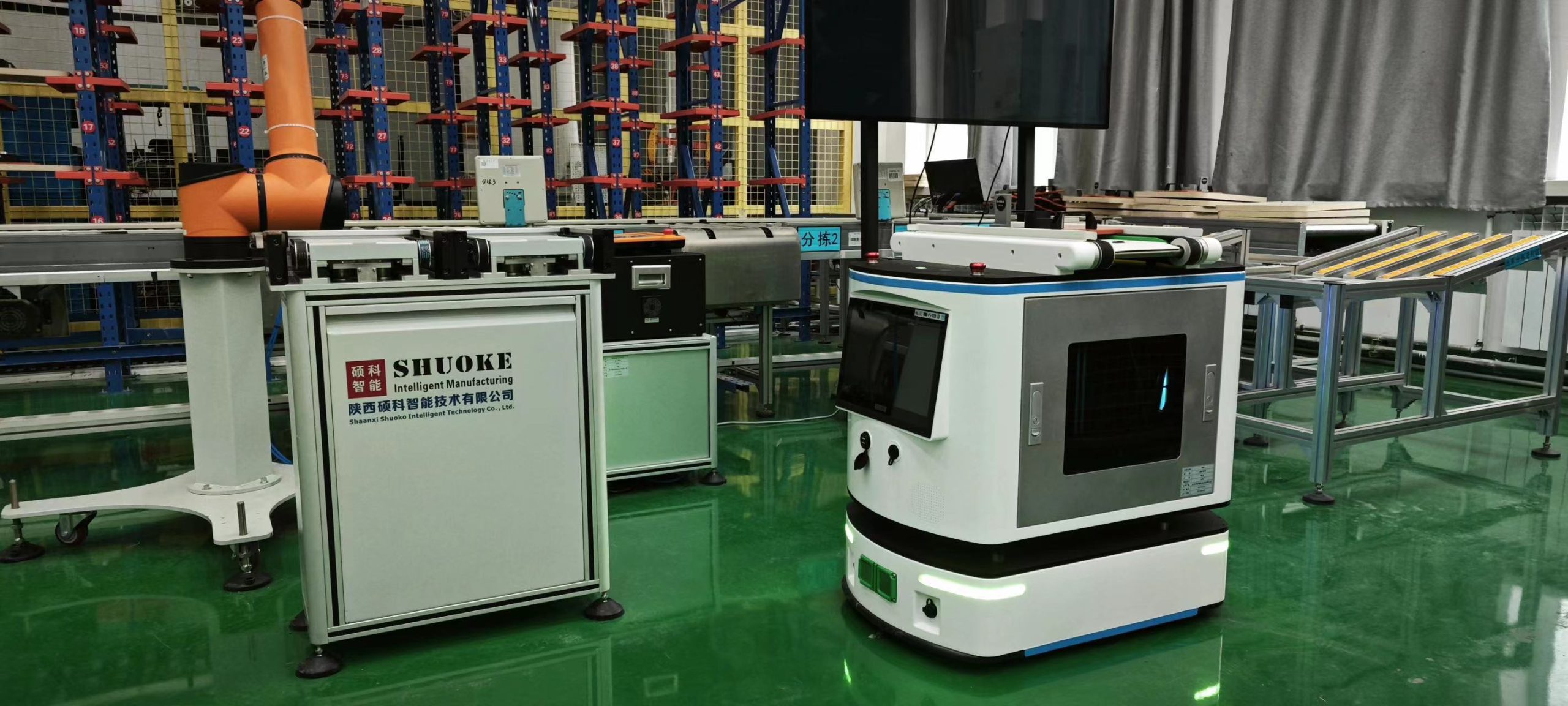
One of the greatest strengths of Smart Manufacturing Education is its focus on real teaching scenarios, such as:
- Vision-guided robotic pick-and-place
- Automated quality inspection and sorting
- Intelligent assembly lines
- AI-based defect detection
- Human–machine collaboration demonstrations
These scenarios help students understand how AI and robotics are actually used in modern factories, not just how they work in isolation.
Smart Manufacturing Education for Applied and Vocational Institutions
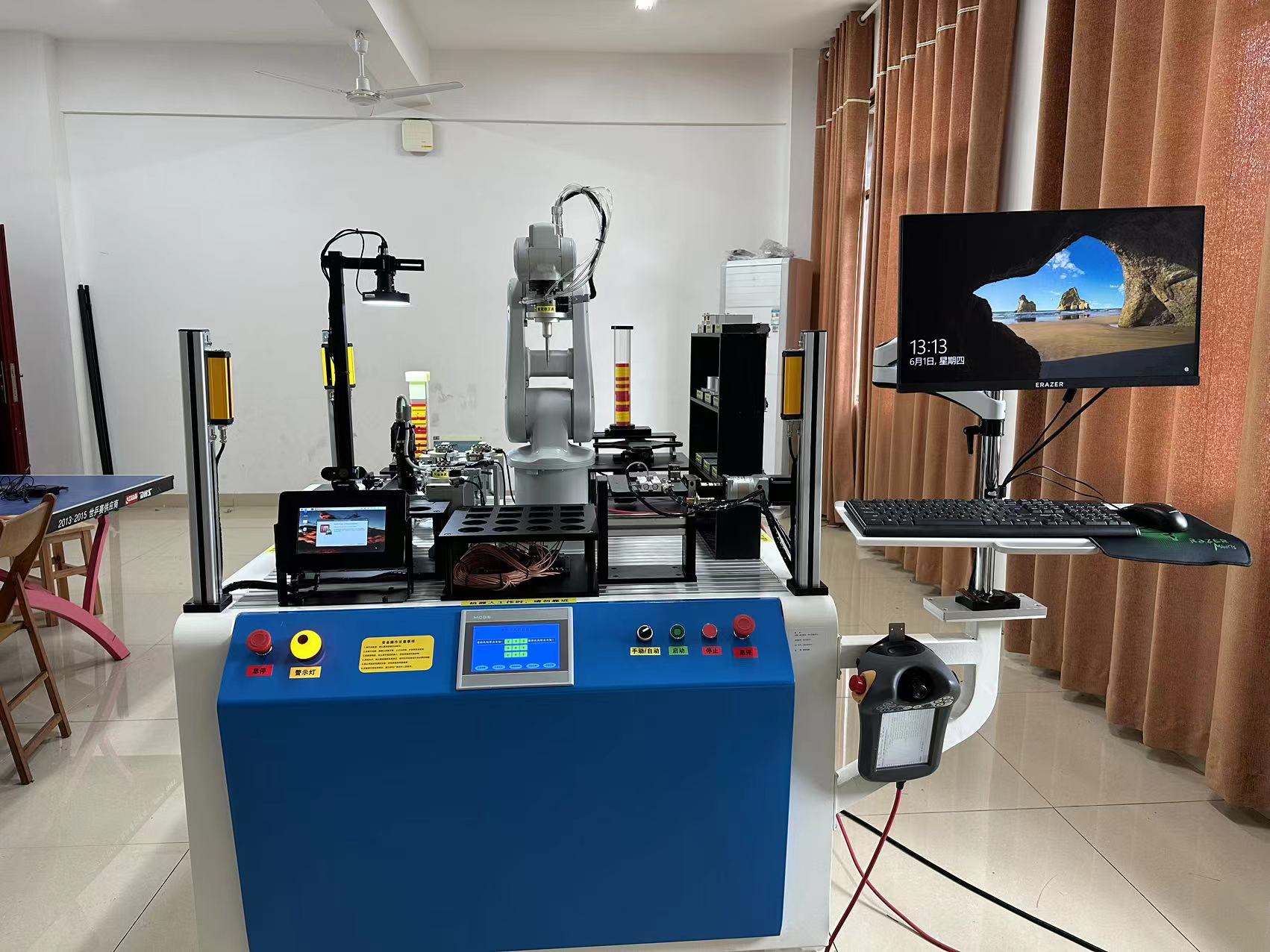
Smart Manufacturing Education is not limited to research universities. In fact, applied universities and vocational colleges benefit greatly from this approach.
For these institutions, Smart Manufacturing Education emphasizes:
- Skill-oriented training
- Engineering practice and troubleshooting
- Industrial standards and workflows
- Rapid transition from classroom to factory
By using industry-oriented teaching equipment, schools can significantly improve the quality and relevance of their talent training programs.
Supporting Industry–Education Integration
Smart Manufacturing Education plays a critical role in industry–education integration. Teaching platforms designed around real manufacturing processes help align academic training with industrial needs.
This integration enables:
- Joint curriculum development with enterprises
- Practical training aligned with job roles
- Improved collaboration between schools and industry partners
For equipment manufacturers, providing Smart Manufacturing Education solutions means offering not just hardware, but complete teaching systems, documentation, and curriculum support.
The Future of Smart Manufacturing Education
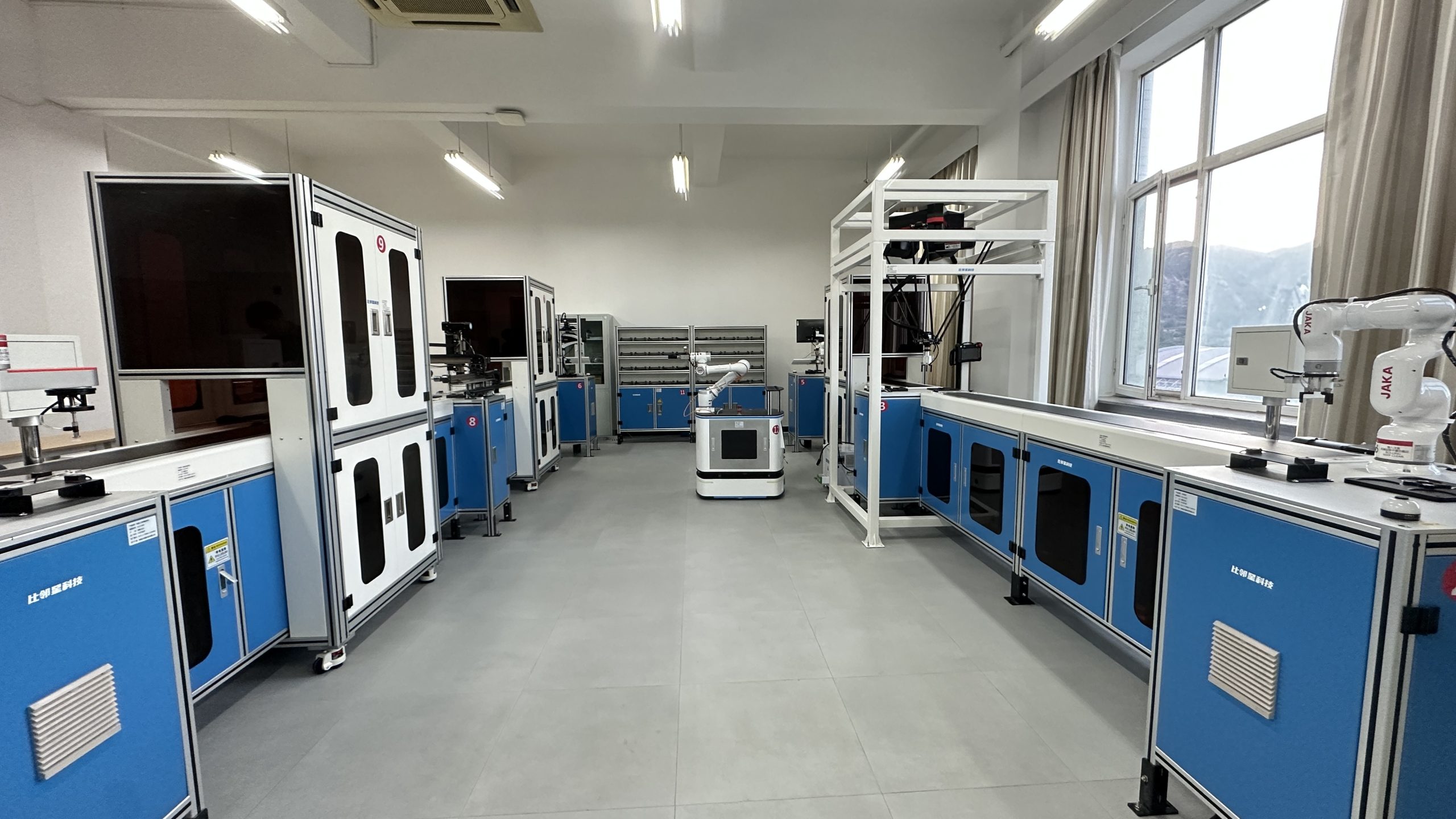
Looking ahead, Smart Manufacturing Education will continue to evolve alongside technology. Future trends include:
- Deeper integration of AI large models into teaching platforms
- More flexible and modular laboratory systems
- Cloud-edge collaboration for manufacturing education
- Increased focus on embodied intelligence and intelligent robotics
Institutions that invest early in Smart Manufacturing Education will be better positioned to train the next generation of intelligent manufacturing professionals.
Conclusion: Building Talent Through Smart Manufacturing Education
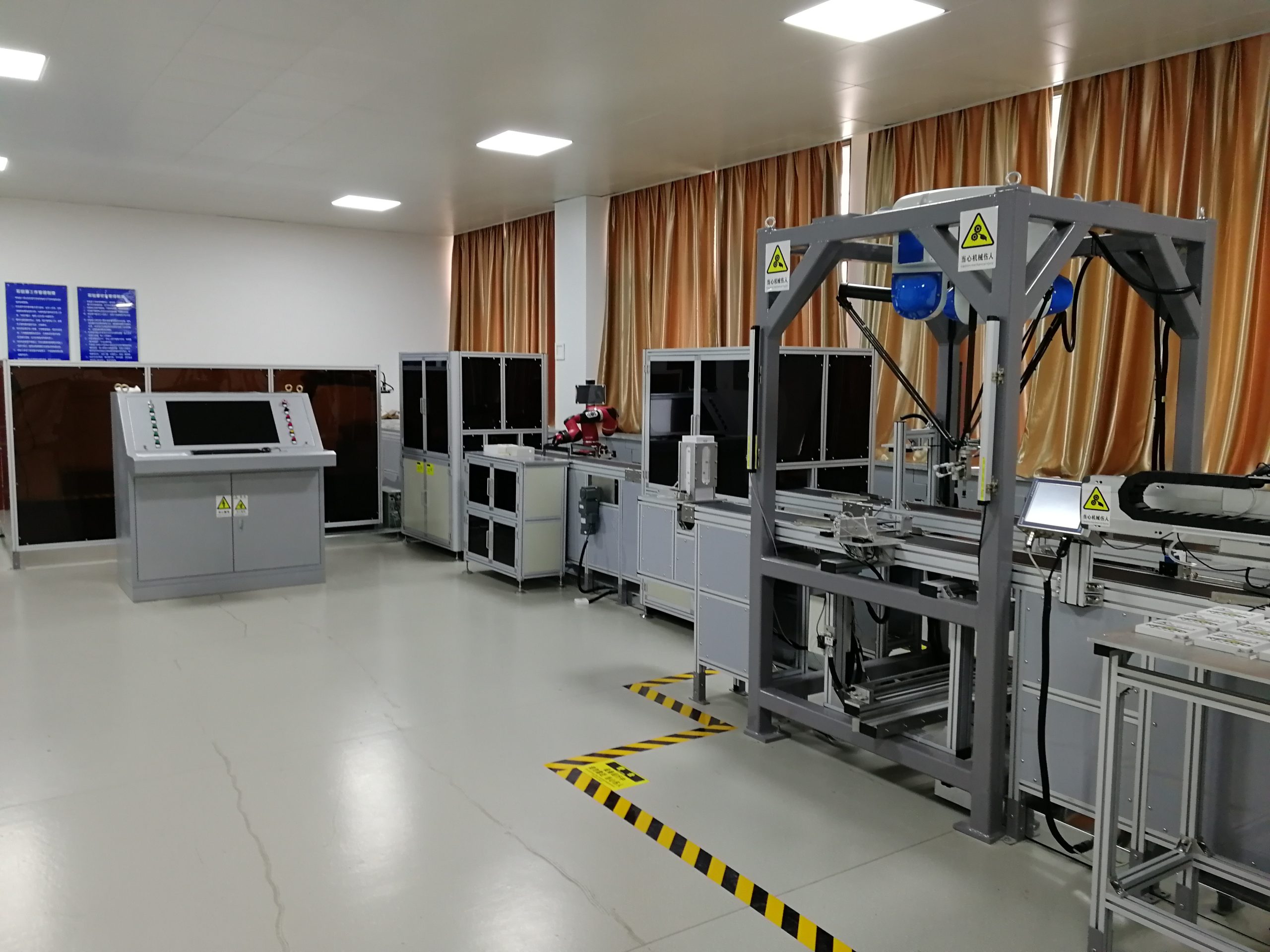
Smart Manufacturing Education is no longer optional—it is a strategic investment for universities, colleges, and training institutions aiming to stay relevant in the AI-driven industrial era.
By combining AI, robotics, machine vision, and automation into integrated teaching environments, Smart Manufacturing Education empowers students with practical skills, systems thinking, and real-world experience.
For education equipment providers, supporting Smart Manufacturing Education means helping institutions build laboratories that truly reflect the future of manufacturing.